Disclaimer: This content is provided for educational and entertainment purposes only and does not constitute professional advice. We do not guarantee the accuracy or completeness of any information presented. We are not liable for any actions taken based on this content. For specific issues or decisions, we recommend seeking professional advice.
Chronic pain is a significant issue affecting millions of Australians, impacting their quality of life and overall well-being. Research highlights that a substantial portion of the population experiences chronic pain, which often persists despite conventional treatments. This has led many individuals to explore alternative therapies to manage their symptoms more effectively.
Physical Therapy
Physical therapy is a well-established alternative treatment for managing chronic pain. It involves exercises and techniques designed to improve movement, strength, and flexibility. Physical therapists create personalized exercise programs to address specific pain points and functional limitations. Physical therapy can help reduce pain and improve mobility, particularly for conditions such as lower back pain and arthritis. Many Australians access physical therapy through private clinics or community health services, making it a readily available option.
2. Acupuncture
Acupuncture is an ancient Chinese practice that involves inserting thin needles into specific points on the body to stimulate energy flow and promote healing. Numerous studies have shown that acupuncture can be effective in managing chronic pain conditions such as osteoarthritis, migraines, and fibromyalgia. Acupuncture provides a moderate reduction in pain for various chronic pain conditions. Australians can find accredited acupuncturists through professional associations like the Australian Acupuncture and Chinese Medicine Association.
3. Hydrotherapy
Hydrotherapy, or water therapy, uses the properties of water to relieve pain and promote healing. This treatment often involves exercises performed in warm water, which can reduce joint stress and improve circulation. Hydrotherapy can be particularly beneficial for individuals with arthritis or chronic back pain. For those interested in exploring hydrotherapy, searching for a hydrotherapy pool near me can help locate local facilities that offer these services. Many wellness centers, rehabilitation clinics, and gyms in Australia feature hydrotherapy pools as part of their treatment options.
4. Massage Therapy
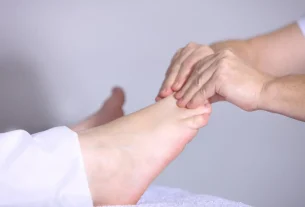
Massage therapy involves manipulating the muscles and soft tissues to relieve pain and improve circulation. Various techniques, such as Swedish massage, deep tissue massage, and trigger point therapy, can target specific pain areas. Massage therapy can help reduce pain and improve function for conditions like chronic lower back pain and myofascial pain syndrome. Many Australians use massage therapy as a complementary treatment alongside other therapies.
5. Mind-Body Techniques
Mind-body techniques, including meditation, yoga, and tai chi, can help manage chronic pain by reducing stress and improving mental resilience. These practices emphasize the connection between mental and physical health, which can be particularly beneficial for chronic pain sufferers. Mind-body interventions can lead to significant improvements in pain perception and overall quality of life.
6. Diet and Nutrition
Dietary changes can also play a role in managing chronic pain. Anti-inflammatory diets, rich in fruits, vegetables, whole grains, and omega-3 fatty acids, may help reduce inflammation and alleviate pain. Some studies suggest that specific diets or supplements, such as turmeric or ginger, can offer pain relief. Consulting with a nutritionist or dietitian can help tailor a diet plan to support pain management.
Conclusion
Exploring alternative therapies for chronic pain relief offers a range of options beyond conventional treatments. Physical therapy, acupuncture, hydrotherapy, massage therapy, mind-body techniques, and dietary adjustments can all contribute to managing chronic pain more effectively. By integrating these alternative therapies into your pain management plan, you can enhance your quality of life and find relief from chronic pain. Always consult with healthcare professionals to tailor treatments to your specific needs and ensure the best possible outcomes.

Disclaimer: The opinions expressed in this article are the personal opinions of the author. Breathandbody is not responsible for the accuracy, completeness, suitability, or validity of any information on this article. All information is provided on an as-is basis. The information, facts or opinions appearing in the article do not reflect the views of Breathandbody and Breathandbody does not assume any responsibility or liability for the same.